Helping you grow truffles
With research projects spanning 23 countries, the majority of our results are held in-house and used to help advise those we are working with to grow truffles. This keeps our truffle cultivation partners on the cutting edge. Select portions of our research are made public, by way of publication in academic journals and scientific conferences. A selection of these appear below. For further information or copies of papers, please do not hesitate to get in contact.
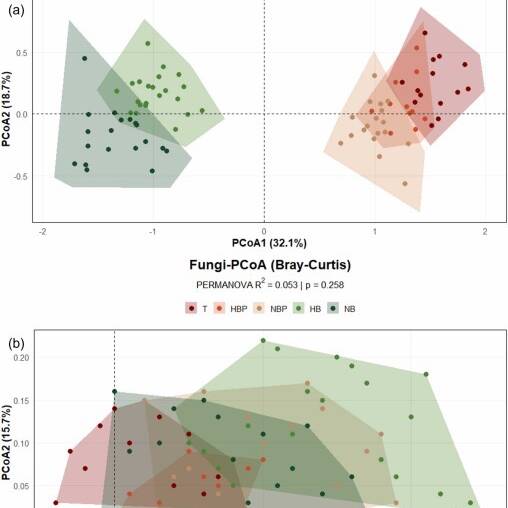
Truffle fruiting occurs in chemically and microbially distinct soil niches
Abstract:
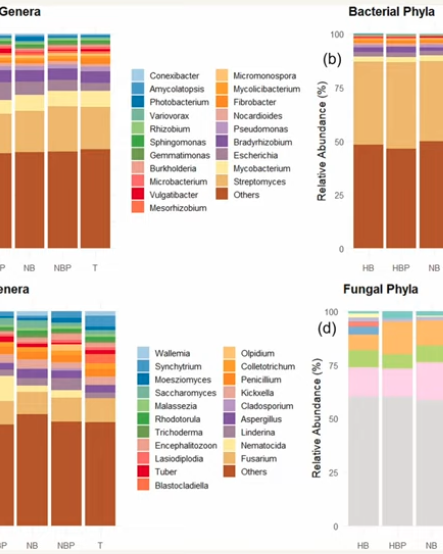
Ectomycorrhizal fungi (EMF) play critical roles in nutrient exchange, soil processes, and plant community structure, yet the mechanisms linking their environmental interactions to reproduction remain poorly understood. The black truffle (Tuber melanosporum) provides a model for studying these dynamics through its formation of brûlés—vegetation-free zones around a host plant and associated with fructification. Although prior studies have associated truffle production with factors such as pH, carbonates, and specific microbial groups, most work has been limited by narrow parameter ranges, uncontrolled confounders, and an absence of direct fruiting measurements, leaving unresolved whether these patterns facilitate reproduction or merely accompany it. Here we address these limitations using a broad paired design sampling 93 trees with and without brûlés across productive and unproductive North American orchards. We show that fruiting consistently aligns with distinct soil chemical profiles —including reduced organic matter and nitrogen, and elevated iron and magnesium—and with highly structured microbial communities. Fruiting soils exhibited the highest bacterial and fungal diversity, strong beta-divergence from non-fruiting soils, and enrichment of chemoheterotrophic guilds capable of mobilising nutrients and accelerating organic matter turnover.
Is There a Specific Role for Fungal Protein Within Food Based Dietary Guidelines? A Roundtable Discussion
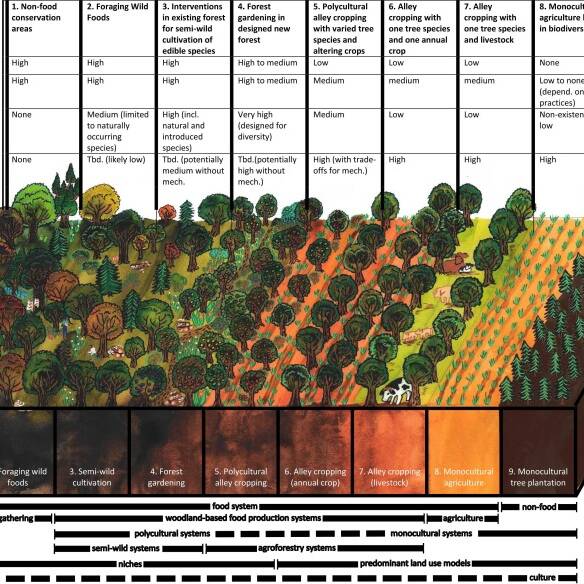
ABSTRACT: Given the need to produce sufficient food while meeting net zero targets and protecting biodiversity, there is renewed impetus to expand woodland-based food systems in the Global North, including agroforestry and forest gardening. Typically, however, agriculture, forestry, and conservation are separated spatially, as well as conceptually, and afforestation policies insufficiently consider the integration of edibles into forest management, or woody species into agriculture. We review the scientific evidence on the benefits of woodland-based food systems in temperate climates in relation to four aspects: climate change mitigation and adaptation, biodiversity restoration, food production, and social benefits. Findings suggest high potential of enhancing ecological and cultural ecosystem services through woody polyculture. However, an analysis of barriers and enablers of woodland-based food systems also shows that the productivist and monocultural approaches dominating agriculture in and for the Global North are a barrier to transforming the agri-food system towards more complex polycultural systems with woody species. Therefore, we discuss the conditions for making woody polyculture viable, upscaling these systems, and yielding multifactorial benefits at large-scale in relation to the wider political economy. We conclude that significant transformational rather than incremental shifts are needed, most notably regarding the practical and financial valuation of ecosystem services.
Hunting dog behaviour is a key driver impacting harvest quantity and quality of truffles
Truffles are an iconic food that have long held high regard. Here we explore the seasonality and ecophysiological interactions affecting truffle quality and quantity across time and space. Collaborating with professional truffle hunters working eight different locations, detailed metrics of 3180 recovered truffles from 236 hunt events and spanning a full fruiting period, were recorded. Contrary to expectations, truffle weight showed no correlation with climate variables, suggesting a limited influence of environmental factors such as temperature and precipitation on truffle size. We also found that truffle maturity and damage from mycophagy were strongly linked, with deeper truffles being more mature but also more susceptible to damage. Finally, we observe that scent-dog behaviour significantly impacts the quantity and quality of recovered truffles, and we address the necessity of considering this in truffle ecophysiology studies. Alongside advances in our biological understanding, we make recommendations of how training methods can be improved to lead to greater detection and quality targeting with immediate socioeconomic impact. These findings highlight the complex interplay between truffle physiology, environmental factors, and human and animal behaviours, emphasizing the need for further considered research to enhance our understanding of truffle biology and to improve truffle cultivation practices.
Understanding the performance of truffle dogs
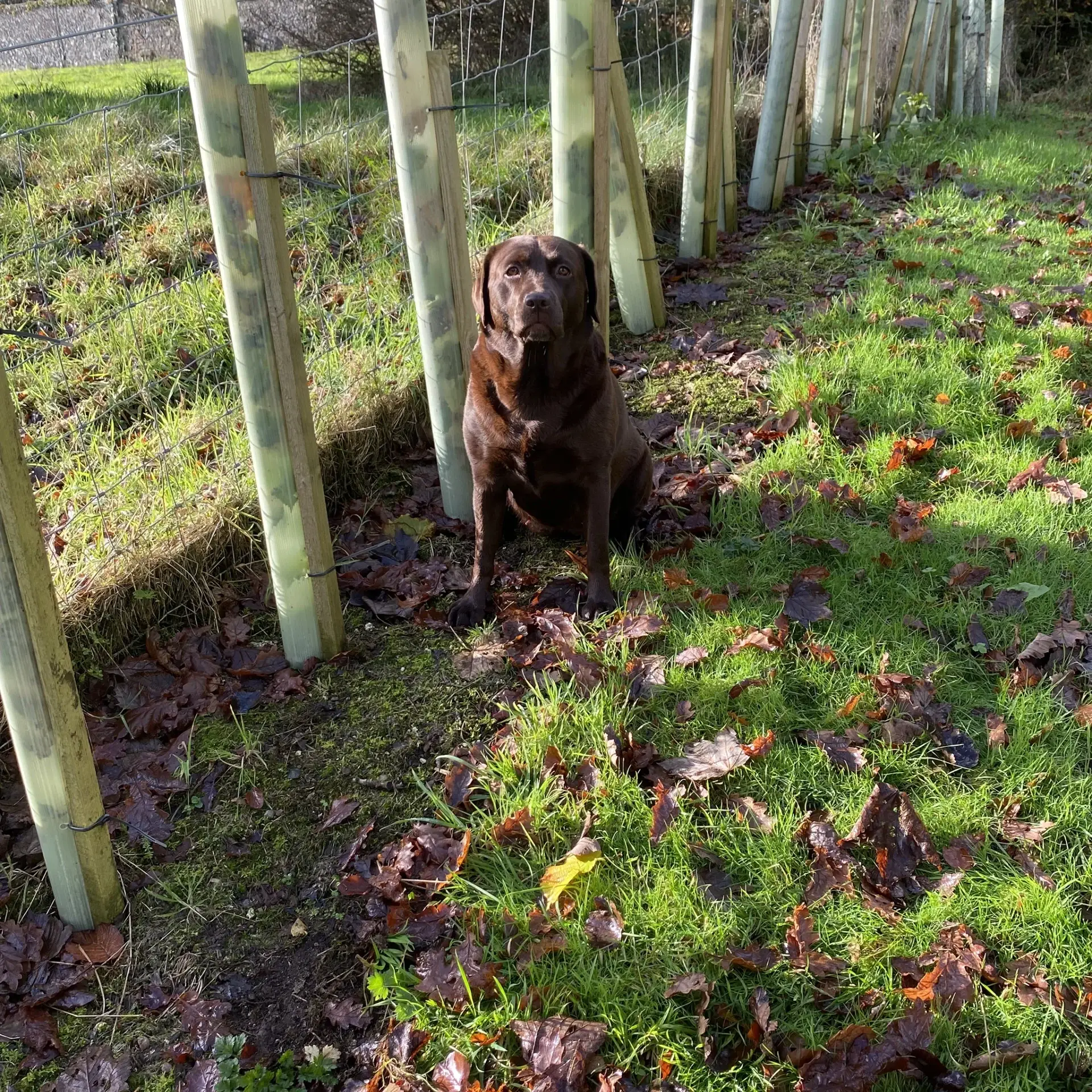
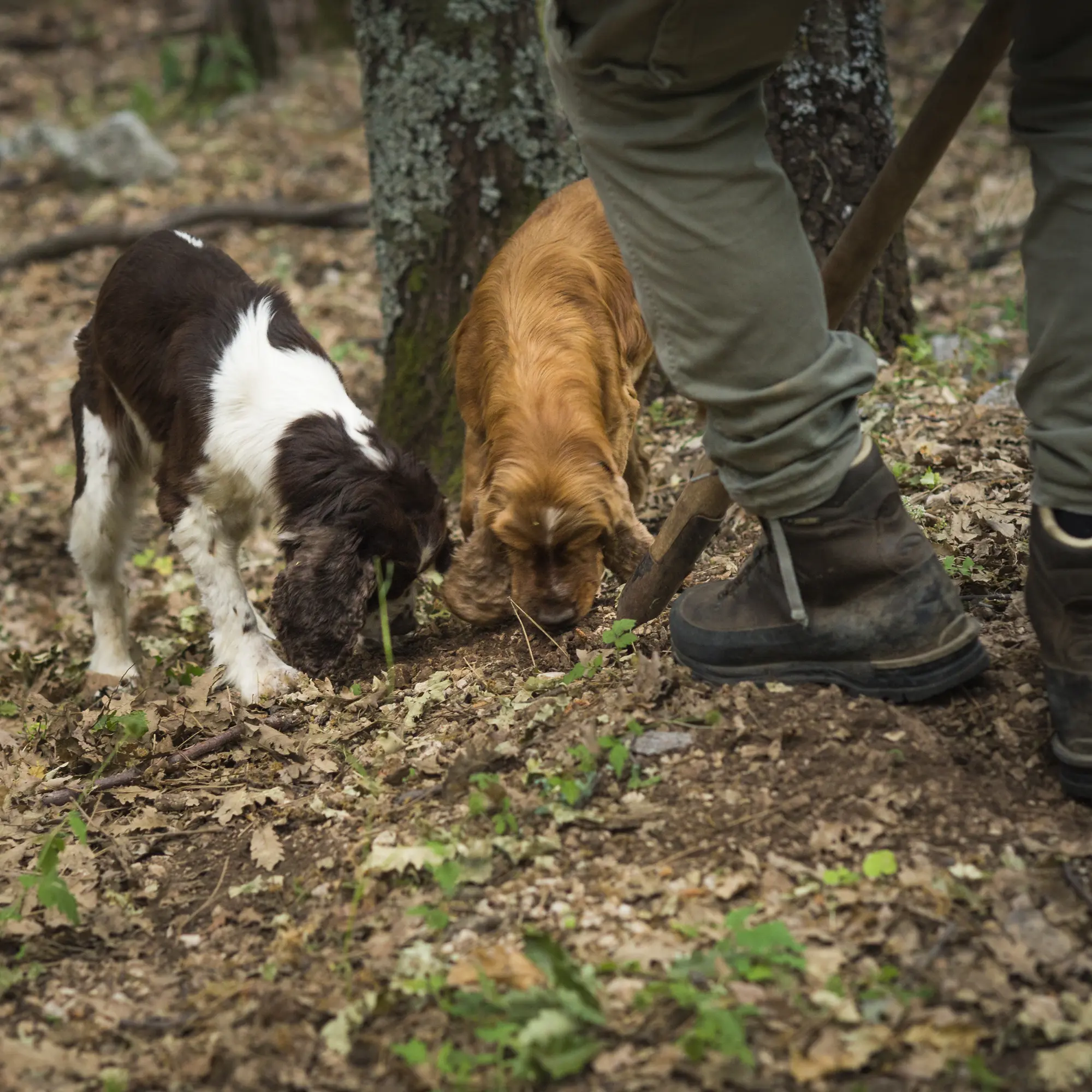
ABSTRACT: Trained dogs can detect many biochemical traces, from the most hostile, such as COVID-19, to the most expensive, such as truffles. However, it is still unclear how the interplay of genetic disposition, education, experience, personality, and environmental conditions influences the performance of dogs. Here, we combine published evidence with the knowledge of truffle hunters to assess direct and indirect factors that affect the hunting performance of truffle dogs. Since the transport of truffle aroma into the canine nasal cavity is most puzzling, we propose five experiments to further investigate the role of weather conditions, soil parameters, and bacterial composition on the dispersal of truffle volatiles perceived by trained dogs. We also suggest exploring whether the application of multiple dogs increases the success of truffle hunting. Moreover, we argue that interdisciplinary research on dog behavior and performance, including insights from veterinary science and comparative psychology as well as the experience of truffle hunters and farmers, is needed to improve the quantity and quality of truffle harvests. Authors: Tomáš Cejka, Paul W. Thomas, Daniel Oliachd, Ulrich Stobbe, Simon Egli, Willy Tegel, Giada Centenaro, Ludger Sproll, István Bagii, Miroslav Trnka, Ulf Büntgen Journal of Veterinary Behavior (2022).
Rethinking a sustainable truffle sector under global crisis
Abstract: Global climate change is the main threat for the emerging truffle sector, which already extends across seven key regions in the Americas, Europe, South Africa and Australasia. At the same time, the potential effects of financial crises and global pandemics have not yet been considered in most risk assessments. Here we describe the direct and indirect impacts of the actual coronavirus pandemic on the rising truffle sector. We discuss how COVID-19 affects small family businesses and international enterprises, and if the current harvest decline will have ecological long-term benefits. Furthermore, we question extant cultivation practices, irrigation techniques and trade systems to prepare for a more equitable and sustainable future of the global truffle industry. Despite various foci on one of the most expensive gourmet foods and its associated agroforestry, we expect our reflections to be valuable for many other high-value crops, and a green agriculture in general. Keywords: biodiversity, COVID-19, economic crises, global pandemic, gourmet food, green-agriculture, irrigation systems, reforestation, rural economies Authors: Büntgen, U., Tomáš, C., Mirek, T and Thomas, P. W. Erdkunde (2021).
Ectomycorrhiza resilience and recovery to extreme flood events in Tuber aestivum and Quercus robur
Abstract: Very little is known about the impact of flooding and ground saturation on ectomycorrhizal fungi (EcM) and increasing flood events are expected with predicted climate change. To explore this, seedlings inoculated with the EcM species Tuber aestivum were exposed to a range of flood durations. Oak seedlings inoculated with T. aestivum were submerged for between 7 and 65 days. After a minimum of 114-day recovery, seedling growth measurements were recorded, and root systems were destructively sampled to measure the number of existing mycorrhizae in different zones. Number of mycorrhizae did not display correlation with seedling growth measurements. Seven days of submersion resulted in a significant reduction in mycorrhizae numbers and numbers reduced most drastically in the upper zones. Increases in duration of submersion further impacted mycorrhizae numbers in the lowest soil zone only. T. aestivum mycorrhizae can survive flood durations of at least 65 days. After flooding, mycorrhizae occur in higher numbers in the lowest soil zone, suggesting a mix of resilience and recovery. The results will aid in furthering our understanding of EcM but also may aid in conservation initiatives as well as providing insight for those whose livelihoods revolve around the collection of EcM fruiting bodies or cropping of the plant partners. Authors: Thomas, P. W.
A risk assessment of Europe's black truffle sector under predicted climate change
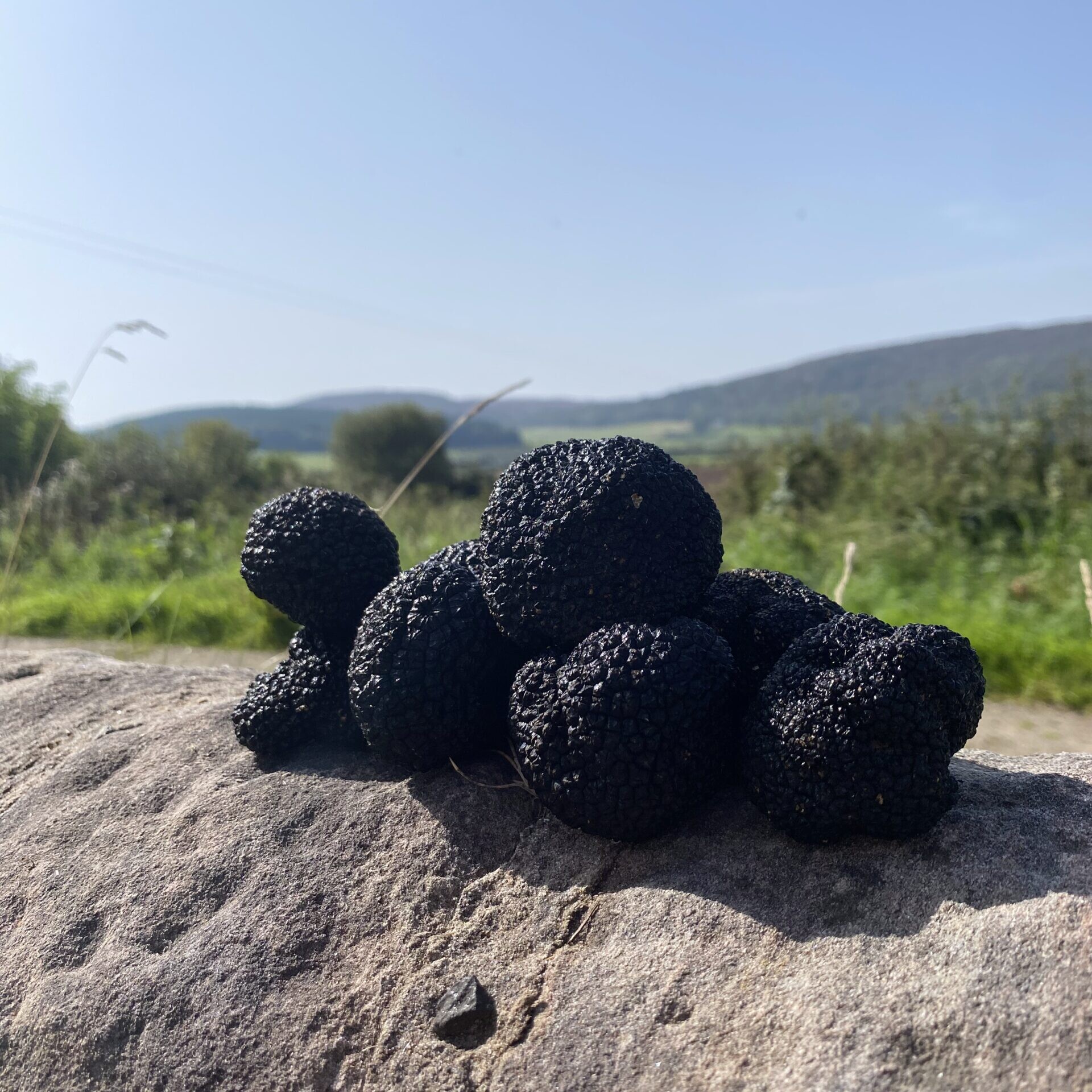
NOTE: Research such as this allows us to guide you as to where is and isn't suitable for truffle cultivation, taking into account different climate change scenarios. ABSTRACT: The black truffle (Tuber melanosporum) is a highly revered culinary icon species that grows symbiotically with its host trees across several parts of southern Europe. Where harvested under natural or cultivated conditions, truffles can have a significant socioeconomic impact and may even form a key component of cultural identity. Although some aspects of truffle biology and ecology have been elucidated recently, the role of abiotic, environmental and climatic factors in the production and maturation of their fruitbodies is still largely unknown. Based on 36-year-long, continuous records of Mediterranean truffle yield, we demonstrate that decreased summer precipitation together with increased summer temperatures significantly reduce the fungus' subsequent winter harvest. Using state-of-the-art climate model projections, we predict that a significant decline of 78–100% in southern European truffle production is likely to occur between 2071 and 2100. The additional threats of forecasted heatwaves, forest fires, pest and disease outbreaks are discussed along with socioeconomic and ecological consequences of a warmer and dryer future climate. Our results emphasize the need for unravelling the direct and indirect effects of climate change on Europe's truffle sector and underline the importance of conservation initiatives at local to international scales. Keywords: Climate change, Ectomycorrhiza fungi, Fungal ecology, Truffle yield, Tuber melanosporum, Périgord truffle. Authors: Thomas, P. W and Büntgen, U. Science of the Total Environment (2019).
Risk and reward of the global truffle sector under predicted climate change
Abstract: Climate change has been described as the main threat for the cultivation and growth of truffles, but hydroclimate variability and model uncertainty challenge regional projections and adaptation strategies of the emerging sector. Here, we conduct a literature review to define the main Périgord truffle growing regions around the world and use 20 global climate models to assess the impact of future trends and extremes in temperature, precipitation and soil moisture on truffle production rates and price levels in all cultivation regions in the Americas, Europe, South Africa, and Australasia. Climate model simulations project 2.3 million km2 of suitable land for truffle growth will experience 50% faster aridification than the rests of the global land surface, with significantly more heat waves between 2070 and 2099 CE. Overall, truffle production rates will decrease by ∼15%, while associated price levels will increase by ∼36%. At the same time, a predicted increase in summer precipitation and less intense warming over Australasia will likely alleviate water scarcity and support higher yields of more affordable truffles. Our findings are relevant for truffle farmers and businesses to adapt their irrigation systems and management strategies to future climate change. Keywords: adaptation strategies, agricultural drought, climate models, irrigation systems, price estimates, production risk, truffle industry Authors: Tomáš, C., Isaac, E. L., Oliach, D., Martínez-Peña, F., Egli, S., Thomas, P. W., Trnka, M and Büntgen, U. Environmental Research Letters (2022).
Risk and reward of the global truffle sector under predicted climate change
Abstract: Climate change has been described as the main threat for the cultivation and growth of truffles, but hydroclimate variability and model uncertainty challenge regional projections and adaptation strategies of the emerging sector. Here, we conduct a literature review to define the main Périgord truffle growing regions around the world and use 20 global climate models to assess the impact of future trends and extremes in temperature, precipitation and soil moisture on truffle production rates and price levels in all cultivation regions in the Americas, Europe, South Africa, and Australasia. Climate model simulations project 2.3 million km2 of suitable land for truffle growth will experience 50% faster aridification than the rests of the global land surface, with significantly more heat waves between 2070 and 2099 CE. Overall, truffle production rates will decrease by ∼15%, while associated price levels will increase by ∼36%. At the same time, a predicted increase in summer precipitation and less intense warming over Australasia will likely alleviate water scarcity and support higher yields of more affordable truffles. Our findings are relevant for truffle farmers and businesses to adapt their irrigation systems and management strategies to future climate change. Keywords: adaptation strategies, agricultural drought, climate models, irrigation systems, price estimates, production risk, truffle industry Authors: Tomáš, C., Isaac, E. L., Oliach, D., Martínez-Peña, F., Egli, S., Thomas, P. W., Trnka, M and Büntgen, U. Environmental Research Letters (2022).
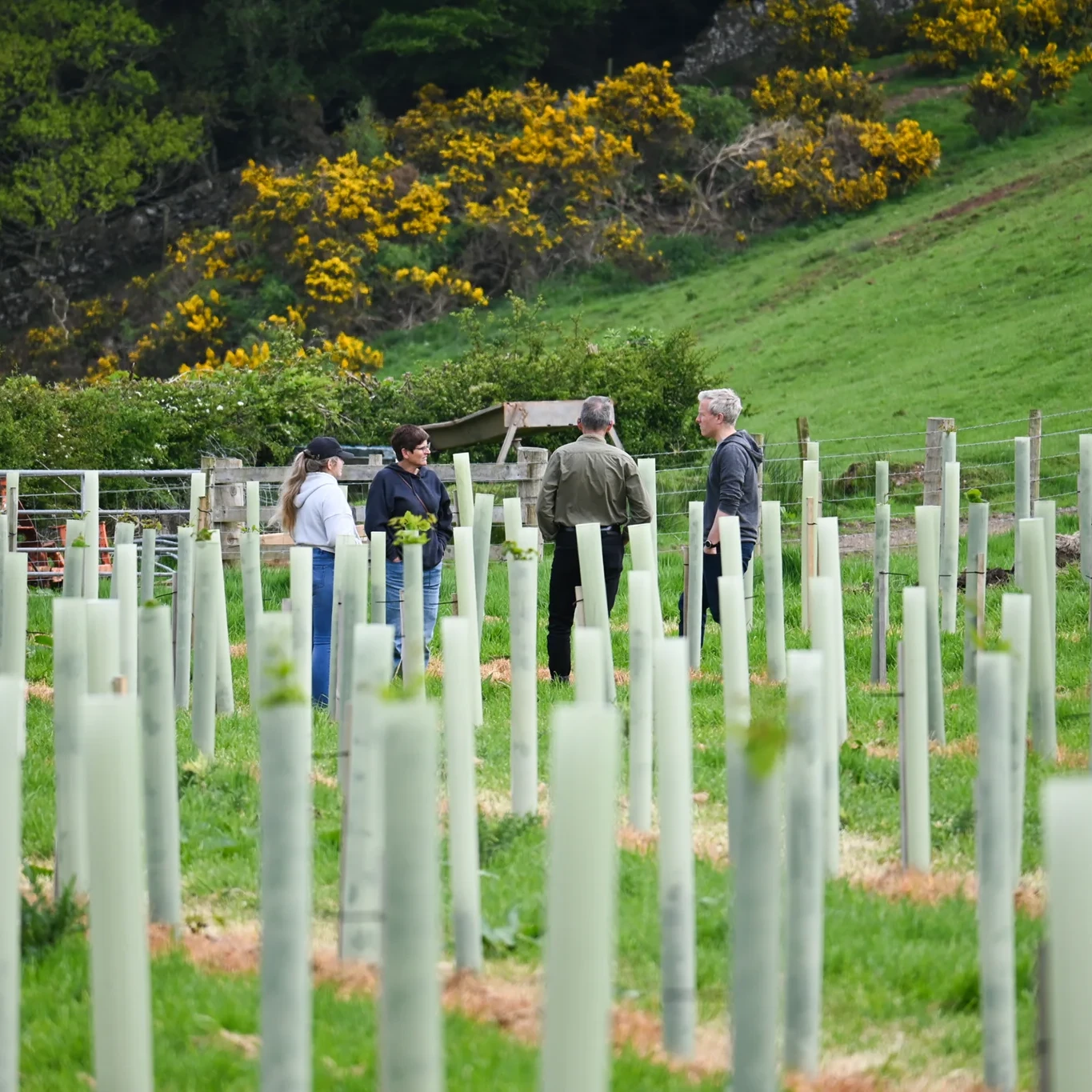
First harvest of Périgord black truffle in the UK as a result of climate change
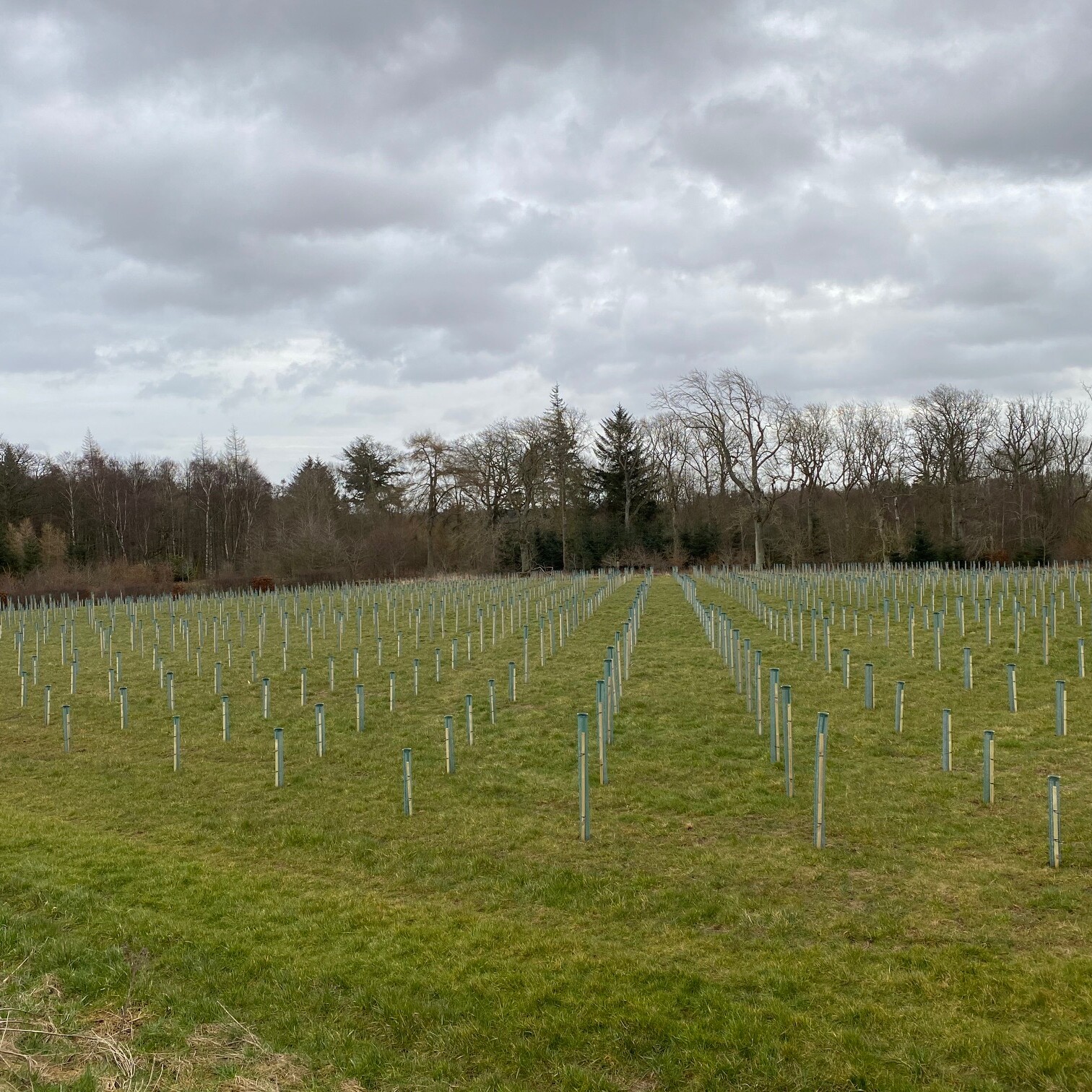
Abstract: Although some truffle species are among the most expensive gourmet foods, much of their biology and ecology is still poorly understood. Here, we provide the first record of cultivation of the Périgord black truffle Tuber melanosporum in the UK − the most northern and maritime Périgord truffle ever cultivated. This raises hopes of counteracting the ongoing, long-term, drought-induced harvest decline of this gastronomic icon species in its natural Mediterranean habitat. More generally, we detail how the UK’s first Périgord truffle find may help protect this coveted and extremely valuable product from the impacts of ongoing and predicted global warming. Finally, we address the potential sizeable economic importance of black truffle cultivation in the northern maritime climate of the British Isles, which implies a strong financial incentive for a variety of conservation initiatives. Keywords: Climate change · Truffle cultivation · Ectomycorrhiza fungi · Geographical distribution · Truffle ecology · Tuber melanosporum · Périgord truffle · UK Authors: Thomas, P. W and Büntgen, U. Climate Research (2017).
Truffles and mating types
Abbreviated abstract: Truffles are one of the most highly prized of all fungi. Recent advances and genetic studies have furthered our understanding of the mode by which these fungi reproduce. The understanding that some truffle species require a mating partner in order to produce fruiting bodies leads to many questions and opportunities in truffle cultivation. Here, a summary and analysis of the most recent work is presented. The potential applications of this understanding are discussed along with proposals for in-field modifications to improve the truffle yields of plantations. Authors: Thomas, P. W
The role of soil pH
Abbreviated abstract: Here we present data from 22 sites across Europe relating soil pH to truffle mycorrhiza survivorship and development. Several data points are presented in detail and used as case studies. Utilizing the data from this study, the independent role of pH on mycorrhiza development as well as the interaction of pH and other factors, is observed. The importance that is placed on soil pH in commercial orchards is discussed. The role of pH in Tuber aestivum/uncinatum mycorrhiza development within commercial orchards. Authors: Thomas, P. W
Innovating Truffle Farming Worldwide
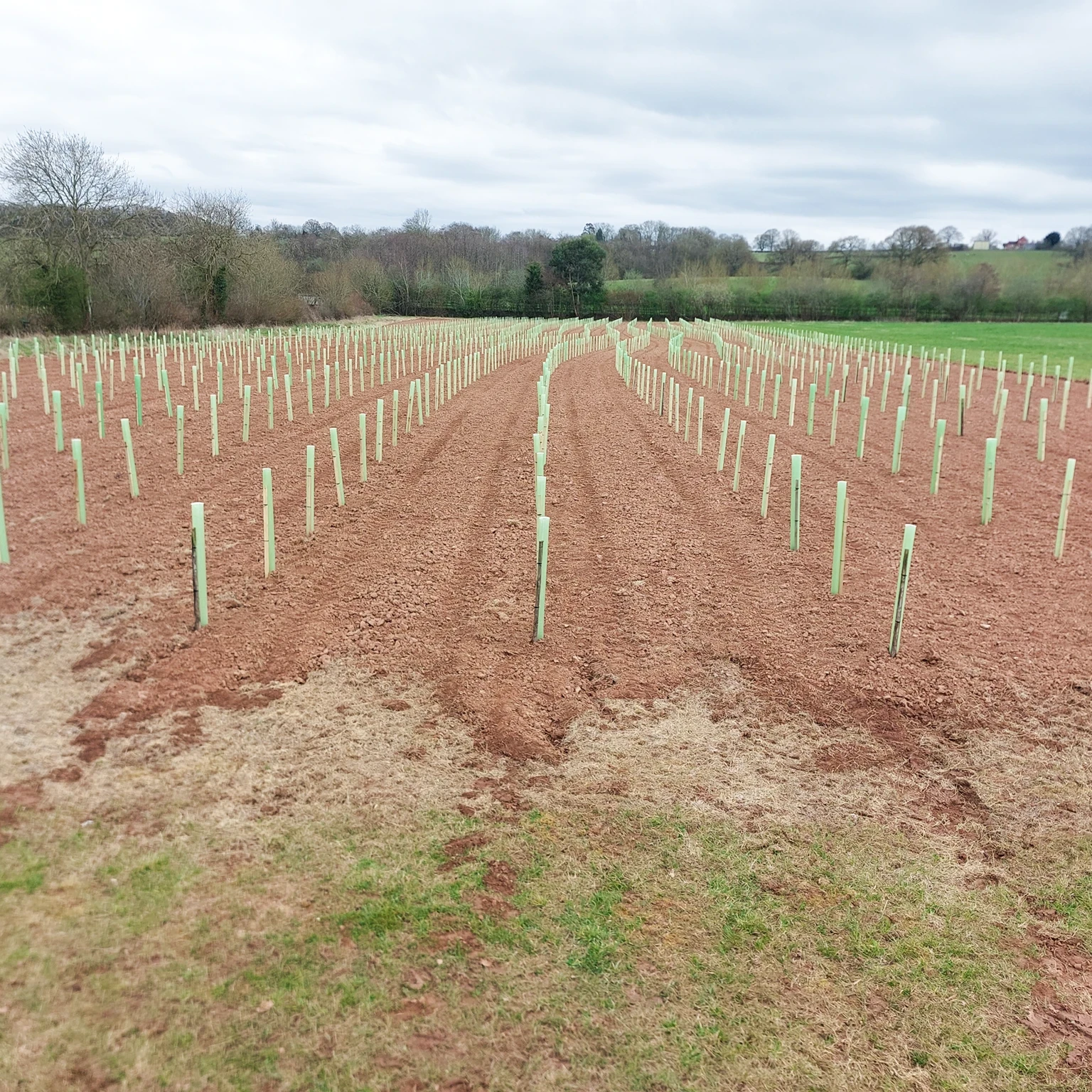
We primarily offer the following tree species: Hazel, English Oak, and Evergreen Oak- although of bespoke orders we can work with a much wider species range. These trees can be inoculated with either summer/autumn truffle or winter truffle. Additionally, we have a limited number of trees inoculated with White truffles available.
Supported by UKRI, our research team have developed a range of trees inoculated with other edible mushroom species- these can be used for back-garden plantings or even on a commercial scale to combine commercial forestry with a carbon negative food crop! Here we work with commercial species, such as Scots pine or Sitka spruce.
While it is theoretically possible, our trials have shown that inoculating mature trees is both costly and challenging. The success rate is only about 15%, and it may take decades—if ever—for truffles to develop. For this reason, we encourage people to focus on new plantings which are much more reliable.
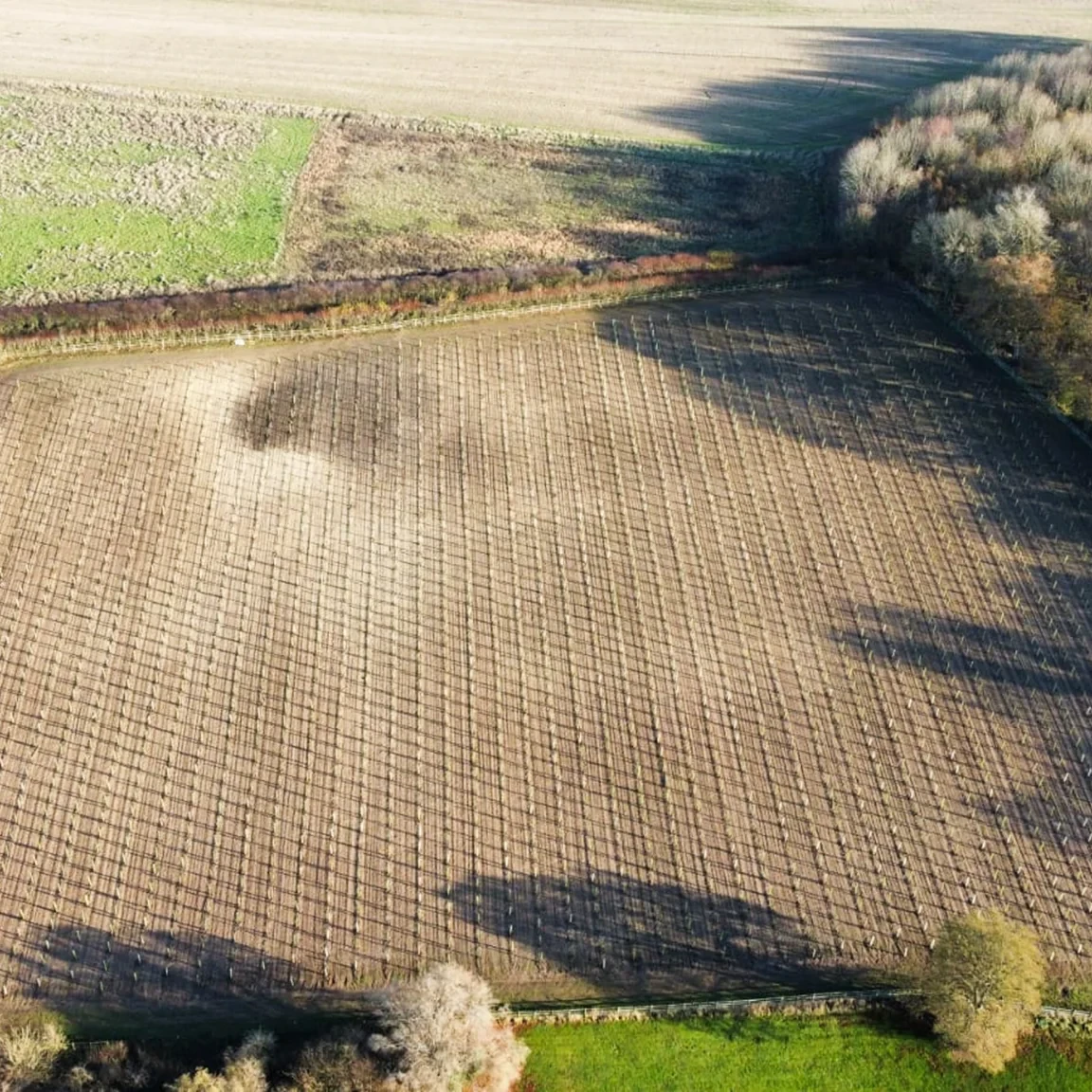
Yes, there are several grant opportunities available for planting mixed broadleaf woodlands. Our recommended planting density of 1,600 trees per hectare typically meets most grant criteria. However, we recommend consulting with the Forestry Commission or a similar authority for the most current information. We’re also happy to assist you with details to support your grant application.
We don’t offer in-house dog training, but we can provide useful tips and even some fresh or frozen truffles to help you get started with scent training. Additionally, we have excellent contacts for professional dog training courses that we can share with you.
Latest Press Releases